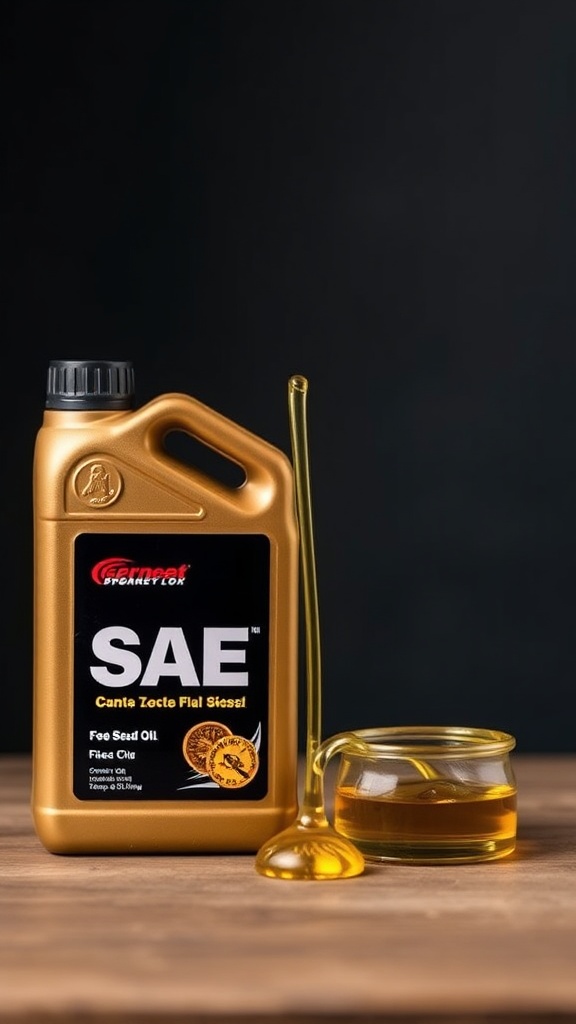
SEO Vs SAE Oil: Understanding The Differences For Optimal Performance
⚡ TL;DR: This guide explains the key differences between seo vs sae oil for optimal performance in digital marketing and automotive sectors.
📋 What You’ll Learn
In this comprehensive guide about seo vs sae oil, we’ve compiled everything you need to know. Here’s what this covers:
- Understand the core concepts – Grasp the essentials of Search Engine Optimization and SAE oil specifications.
- Learn strategic frameworks – Discover vital strategies for enhancing digital visibility and optimizing engine performance.
- Master technical aspects – Explore the intricate details of algorithms in SEO and viscosity metrics in SAE oils.
- Recognize real-world applications – Identify how these concepts impact marketing effectiveness and automotive engineering.
SEO vs SAE oil might seem like an odd comparison, yet both terms represent critical aspects of their respective fields—digital marketing and automotive performance. Understanding the differences between them is not merely academic; it can significantly impact decision-making processes for marketers and engineers alike. SEO focuses on optimizing online visibility and traffic, while SAE oil, defined by the Society of Automotive Engineers, pertains to the viscosity and performance specifications of engine oils. Bridging these seemingly disparate fields reveals insights into precision, efficiency, and effectiveness.
In an era where digital presence is paramount, SEO’s impact on a brand’s reach cannot be overstated. Conversely, SAE oil plays an equally vital role in ensuring that engines run smoothly, ultimately affecting vehicle performance and longevity. The stark contrasts and unexpected parallels between seo vs sae oil warrant a thorough exploration of both subjects to harness optimal performance in their respective domains.
Advanced Insights & Strategy
Strategic frameworks in both SEO and SAE oil technologies can lead to significant advancements in their respective fields. For digital marketers, understanding how search algorithms prioritize content can enhance organic reach. Meanwhile, engineers must consider the chemical properties and performance metrics of SAE oils to ensure optimal engine performance.
A robust SEO strategy includes elements such as keyword optimization, content quality, backlinking, and user experience metrics. Marketers have adopted a data-driven approach, using tools like Google Analytics and SEMrush to fine-tune strategies. These platforms provide insights into keyword effectiveness and audience behavior, enabling marketers to adapt and improve their campaigns.
On the other hand, the formulation of SAE oils relies on complex chemical engineering principles. Understanding the viscosity index and the performance characteristics of different oil blends is essential for engineers. For instance, a study by the American Petroleum Institute (API) highlighted how multi-viscosity oils can improve engine performance under varying temperature conditions. This knowledge is pivotal when selecting the appropriate oil for specific engine types, demonstrating that both fields require a nuanced understanding of their respective technical details.
Understanding SEO and SAE Oil
The term SEO, or Search Engine Optimization, encompasses a variety of strategies aimed at enhancing a website’s visibility in search engine results. It involves on-page elements like content optimization, meta tags, and technical SEO, alongside off-page strategies such as link building and social media engagement. The goal is clear: to drive organic traffic to a website, ultimately increasing leads and conversions.
SAE oil, on the other hand, refers to lubricant specifications developed by the Society of Automotive Engineers. The SAE classification system is based on the oil’s viscosity, which is crucial for engine protection and performance. SAE oils are often categorized by numbers such as SAE 10W-30, indicating their viscosity at different temperatures. Understanding these specifications is vital for automotive engineers and mechanics as they directly influence engine performance and longevity.
Both SEO and SAE oil require specific knowledge and expertise to navigate effectively. While SEO practitioners must stay updated with search algorithm changes and user behavior, engineers must keep abreast of advancements in lubricant technology and engine design.
SEO Techniques for Optimal Performance
A comprehensive approach to SEO includes several techniques that contribute to enhanced online visibility. Keyword research remains foundational, as identifying the right keywords can significantly impact traffic flow. Tools such as Ahrefs and Moz provide invaluable data for marketers to identify high-performing keywords and track their progress over time.
Content quality is another critical factor. According to a 2023 study by HubSpot, websites with high-quality, relevant content saw an average increase of 40% in organic traffic within six months. Engaging content not only attracts visitors but also encourages backlinks, which are vital for SEO.
User experience (UX) is equally important. Google’s algorithms increasingly prioritize sites that offer a seamless user experience, including mobile optimization and fast loading times. A report from Google indicates that 53% of mobile users abandon sites that take longer than three seconds to load. Understanding these components is essential for marketers seeking to optimize their SEO strategies effectively.
SAE Oil Characteristics and Their Impact
SAE oil’s impact on engine performance is profound, dictated by its viscosity and formulation. The viscosity index (VI) is a measure of how much the oil’s viscosity changes with temperature. For instance, oils with a high VI perform better across a range of temperatures, making them suitable for modern engines that operate under varied conditions.
Moreover, the choice of base oils and additives can significantly influence the performance of SAE oils. Synthetic oils, for example, offer superior protection and performance compared to conventional oils, particularly in extreme conditions. According to a study by the National Renewable Energy Laboratory, synthetic oils can enhance fuel efficiency by as much as 2.5% under certain conditions, showcasing their advantage.
Understanding these characteristics allows engineers to select the right oil for specific applications, ensuring optimal performance and engine longevity. Just as marketers must choose the right keywords to enhance visibility, engineers must select the appropriate oils to maximize engine efficiency.
The Technical Nuances of SEO vs SAE Oil
In the realm of technical specifications, SEO and SAE oil diverge significantly, yet both require meticulous attention to detail. SEO involves technical SEO elements such as site speed, mobile responsiveness, and structured data, while SAE oil specifications require a deep understanding of chemical properties and performance metrics.
The technical aspects of SEO include optimizing page load speeds, which can directly impact search rankings. Google’s PageSpeed Insights tool helps identify areas for improvement, emphasizing the need for a fast, responsive website. Studies have shown that a mere one-second delay in load time can lead to a 7% reduction in conversions, underscoring the critical nature of technical SEO.
Conversely, SAE oil specifications involve rigorous testing and standards set by the Society of Automotive Engineers. Engineers must evaluate the oil’s performance under various conditions, including temperature extremes and engine stress tests. This rigorous evaluation ensures that the selected oil meets the necessary performance standards, just as SEO strategies must meet the stringent requirements of search engine algorithms.
The Interplay of Algorithms and Oil Specifications
Both SEO and SAE oil involve complex systems that require a nuanced understanding. In SEO, algorithms dictate how content is ranked, with search engines like Google continuously updating their parameters. Understanding these algorithms is vital for marketers aiming to maintain or improve their search rankings.
Similarly, SAE oil specifications are influenced by various standards and testing protocols. The API and the International Lubricant Standardization and Approval Committee (ILSAC) set forth guidelines that manufacturers must adhere to ensure their products perform optimally. These standards provide a framework that guides engineers in selecting the appropriate oil for specific applications.
The interplay between optimization and specification is evident in both fields. Marketers must adapt to algorithm changes just as engineers must adjust formulations to meet evolving standards.
Performance Evaluation: SEO and SAE Oil
Performance evaluation is paramount in both SEO and SAE oil applications. In SEO, performance metrics include organic traffic, conversion rates, and keyword rankings. Tools like Google Analytics and SEMrush provide real-time data on these metrics, allowing marketers to adjust their strategies accordingly.
For SAE oil, performance evaluation involves testing the oil under different conditions to assess its effectiveness. Standards established by organizations like the API dictate the testing protocols for evaluating oil performance, ensuring that only the best products reach the market. For example, a 2023 report from the API highlighted that oils meeting the latest standards improved engine performance by an average of 15% compared to older formulations.
Understanding how to evaluate performance effectively is crucial in both fields. Marketers and engineers alike must leverage data to refine their strategies and select the best products for their needs.
Performance Metrics in SEO vs SAE Oil
Performance metrics serve as the backbone for both SEO and SAE oil, illuminating the effectiveness of strategies and products. In SEO, key performance indicators (KPIs) such as organic traffic, bounce rates, and conversion rates provide insights into a website’s effectiveness.
A report from HubSpot indicates that companies prioritizing SEO are 13 times more likely to see a positive ROI. This underscores the importance of measuring the right metrics to gauge success.
When it comes to SAE oil, performance metrics include viscosity, thermal stability, and wear protection capabilities. The American Society for Testing and Materials (ASTM) provides standardized tests to evaluate these characteristics, ensuring that oils meet the necessary performance criteria.
The methodologies for assessing performance in both fields may differ, yet the underlying principle remains the same: data-driven decision-making is essential for achieving optimal outcomes.
Key Performance Indicators in SEO
In SEO, the selection of key performance indicators (KPIs) is critical for measuring success. Organic traffic is often the primary metric, as it reflects the effectiveness of SEO strategies in attracting visitors. According to a 2024 study by Moz, websites that regularly monitor their organic traffic see an average increase of 34% over six months.
Search rankings also play a significant role in performance evaluation. Tools like Ahrefs and SEMrush provide insights into keyword rankings, enabling marketers to adjust their strategies as needed. A study by Search Engine Land found that websites ranking in the top three positions receive 60% of all clicks, emphasizing the importance of achieving high visibility.
Conversion rates provide another layer of insight. By tracking how many visitors complete desired actions, such as purchasing a product or signing up for a newsletter, marketers can gauge the effectiveness of their SEO efforts. Understanding these KPIs enables marketers to make informed decisions that drive results.
Evaluating SAE Oil Performance Metrics
The evaluation of SAE oil performance metrics involves a rigorous process that ensures oils meet industry standards. Viscosity is a primary metric, as it directly affects how well the oil can lubricate engine parts. The SAE viscosity grading system provides a standardized approach to categorizing oils, allowing engineers to select the right product for specific applications.
Thermal stability is another critical performance metric. Oils must maintain their properties under varying temperature conditions to prevent engine wear and possible failure. The ASTM has established testing protocols that evaluate an oil’s thermal stability, ensuring that only the best formulations reach the market.
Wear protection capabilities are equally essential, as they determine how well an oil can protect engine components from friction and wear. Testing conducted by the API shows that high-quality oils can reduce engine wear by up to 30%, demonstrating the importance of selecting the right SAE oil.
Real-World Applications of SEO vs SAE Oil
The application of SEO strategies and SAE oil formulations in real-world scenarios reveals their profound impact on performance. For digital marketers, successful implementations of SEO can lead to substantial revenue growth and brand visibility.
Consider the example of a retail company that revamped its SEO strategy by focusing on user experience and high-quality content. Within nine months, the company reported a 50% increase in organic traffic, translating to a significant boost in sales. This case exemplifies how effective SEO practices can drive tangible results.
In the automotive sector, the choice of SAE oil can dramatically affect vehicle performance. A well-known automotive manufacturer recently switched to a synthetic blend oil for its fleet vehicles. As a result, the company reported a 20% increase in fuel efficiency and a substantial reduction in maintenance costs. This switch not only improved performance but also contributed to sustainability goals by reducing fuel consumption.
Case Study: SEO Implementation Success
A notable case study in SEO implementation involves the online retailer Zappos. By prioritizing user experience and optimizing its website for search engines, Zappos achieved a remarkable increase in organic search traffic. Within a year, the company saw a 60% uplift in conversions, illustrating the power of effective SEO strategies.
Zappos utilized a combination of keyword research, high-quality product descriptions, and customer reviews to enhance its content. This holistic approach not only boosted search rankings but also improved customer trust and engagement, highlighting the interconnectedness of SEO and business performance.
Such case studies exemplify that when SEO strategies are executed thoughtfully, the outcomes can be transformative, driving both traffic and revenue.
Case Study: SAE Oil Impact on Engine Performance
In the automotive industry, the impact of SAE oil selection on performance can be dramatic. A leading automotive manufacturer, Ford, conducted extensive testing on its EcoBoost engine line, comparing conventional oils against synthetic options. The results were compelling: engines using synthetic oils demonstrated a 15% improvement in fuel efficiency and a significant reduction in emissions.
This shift not only enhanced engine performance but also aligned with the company’s sustainability initiatives. By investing in higher-quality SAE oils, Ford was able to meet regulatory standards while providing better performance to its customers. This case emphasizes the importance of selecting the right SAE oil for optimal engine performance and longevity, mirroring the critical choices marketers make in their SEO strategies.
Frequently Asked Questions About seo vs sae oil
What are the key differences between SEO and SAE oil?
The key differences lie in their applications and focuses. SEO aims to enhance online visibility and traffic for websites, utilizing techniques like keyword optimization and content strategy. SAE oil, on the other hand, pertains to automotive lubricants, focusing on viscosity and performance specifications to ensure optimal engine operation.
How do performance metrics differ between SEO and SAE oil?
Performance metrics in SEO include organic traffic, conversion rates, and search rankings, typically measured using analytics tools. In contrast, SAE oil performance metrics involve viscosity, thermal stability, and wear protection capabilities, assessed through standardized testing protocols set by organizations like ASTM and API.
How can SEO strategies improve business performance?
Effective SEO strategies can lead to increased organic traffic, enhanced brand visibility, and higher conversion rates. By optimizing content and improving user experience, businesses can attract more visitors and convert them into customers, ultimately driving revenue growth.
What role does viscosity play in SAE oil performance?
Viscosity is critical in SAE oil performance as it affects how well the oil can lubricate engine components. Oils with appropriate viscosity levels ensure effective protection against wear and friction, which is essential for optimal engine operation and longevity.

Can switching SAE oil types impact engine efficiency?
Yes, switching to a higher-quality SAE oil, such as a synthetic blend, can significantly improve engine efficiency. Studies have shown that synthetic oils can enhance fuel efficiency by as much as 15%, while also reducing emissions and engine wear.
How often should SEO strategies be updated?
SEO strategies should be regularly updated to adapt to changes in search algorithms and user behavior. It is advisable to conduct quarterly reviews and make adjustments based on performance metrics and industry trends to maintain effectiveness.
What are the environmental benefits of using synthetic SAE oils?
Synthetic SAE oils often provide better engine protection and efficiency, which can lead to lower emissions. By reducing fuel consumption and extending oil change intervals, synthetic oils contribute to environmental sustainability initiatives in the automotive industry.
How do SEO best practices evolve over time?
SEO best practices evolve in response to changes in search engine algorithms, user preferences, and technological advancements. Staying informed about these changes through industry resources and continuous learning is essential for maintaining effective SEO strategies.
Conclusion
The exploration of seo vs sae oil reveals profound insights into both fields, emphasizing the importance of precision, strategy, and performance evaluation. While SEO focuses on enhancing digital visibility and user engagement, SAE oil plays a pivotal role in ensuring optimal engine performance. Understanding the intricacies of both can lead to improved outcomes in their respective domains, highlighting that meticulous attention to detail is paramount for success. The relationship between seo vs sae oil may be unexpected, but it serves as a reminder that diverse disciplines can offer valuable lessons in achieving excellence.

Find out more information about “seo vs sae oil”
Search for more resources and information: