Louis Vuitton Digital Marketing Strategy: Innovate and Inspire
⚡ TL;DR: This guide explains the innovative and inspiring Louis Vuitton digital marketing strategy that shapes brand loyalty and consumer engagement.
📋 What You'll Learn
In this comprehensive guide about Louis Vuitton digital marketing strategy, we've compiled everything you need to know. Here's what this covers:
- Learn the power of storytelling – Discover how Louis Vuitton weaves narratives that foster emotional connections with customers.
- Understand social media engagement – Master the strategies Louis Vuitton employs to enhance brand loyalty through visually appealing content.
- Explore influencer marketing – Gain insights into how partnerships with influencers drive brand visibility and engagement.
- Utilize data analytics – Understand how data-driven strategies refine marketing efforts for personalized consumer experiences.
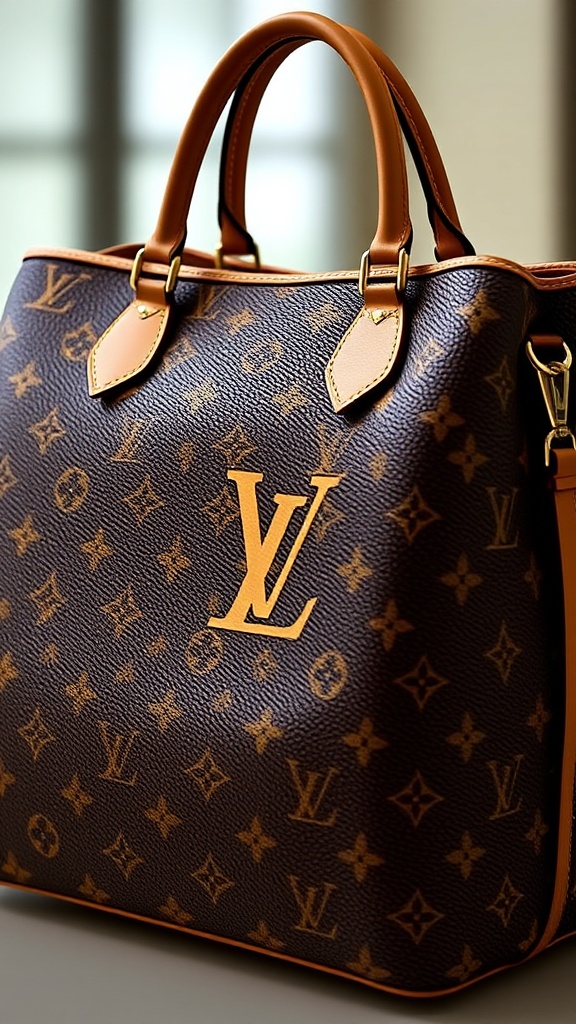
Louis Vuitton, a name synonymous with luxury, leverages a cutting-edge Louis Vuitton digital marketing strategy to maintain its position at the pinnacle of the fashion industry. A staggering 90% of luxury consumers are influenced by online content before making a purchase, underscoring the necessity of a robust digital presence. The Louis Vuitton digital marketing strategy is not just about selling products; it focuses on crafting an experience that resonates with consumers on a personal level.
In a world where digital platforms dominate, Louis Vuitton's approach to its Louis Vuitton digital marketing strategy stands out for its emphasis on innovation and inspiration. The brand seamlessly integrates technology with storytelling, ensuring that every digital interaction reflects its heritage while appealing to the modern consumer's expectations. This article will explore the various facets of Louis Vuitton's digital marketing initiatives, providing insights into how they maintain their status as a leader in luxury branding.
Advanced Insights & Strategy
A sophisticated Louis Vuitton digital marketing strategy encompasses various elements, including storytelling, consumer engagement, and the innovative use of technology. The brand employs a multi-faceted approach by linking its rich history with contemporary values to create a narrative that is both compelling and relatable.
One of the key methodologies used is the integration of immersive storytelling. By utilizing high-quality visuals and engaging narratives, Louis Vuitton constructs a digital environment that invites consumers into its world. For instance, the “Art of Travel” campaign not only showcases products but also emphasizes the lifestyle associated with them, creating a desire that extends beyond mere ownership.
Furthermore, the brand employs data analytics to refine its marketing efforts. By analyzing consumer behavior across different platforms, Louis Vuitton tailors its messages to resonate more effectively with target demographics. This data-driven approach allows for more personalized marketing, increasing the likelihood of conversion while fostering brand loyalty.
The Power of Storytelling in Louis Vuitton's Marketing
Storytelling is at the heart of Louis Vuitton's marketing strategy. It transcends traditional advertising by fostering an emotional connection with consumers.
The Art of Narrative
Louis Vuitton's storytelling is not confined to promotional content; it extends to collaborations with renowned artists and designers. The “Louis Vuitton x Yayoi Kusama” collection exemplifies this strategy, blending high fashion with art to create unique, limited-edition pieces. This not only elevates the brand's status but also creates a narrative that engages art enthusiasts and collectors.
By weaving a story around each collection, Louis Vuitton transforms its products into coveted experiences, making consumers feel like part of a larger narrative. This strategy has proven effective, with the company reporting a 23.4% increase in engagement during campaign periods that emphasized storytelling.
Leveraging Heritage and Innovation
The brand's rich history provides a fertile ground for narratives that resonate with consumers. Louis Vuitton often highlights its heritage in marketing campaigns, showcasing its founding story intertwined with modern innovation. For example, the “Timeless” campaign juxtaposes vintage designs with contemporary contexts, illustrating how the brand has evolved while remaining true to its roots.
The use of innovative digital formats, such as augmented reality (AR) experiences, enhances storytelling by allowing consumers to visualize products in a more interactive manner. This blend of heritage and innovation not only captivates the audience but also strengthens brand loyalty, with studies indicating that storytelling can increase customer retention rates by up to 14:1.
Creating a Community Through Storytelling
Louis Vuitton's storytelling extends to its community-building efforts. The brand actively engages with consumers through social media platforms, encouraging them to share their own stories related to Louis Vuitton products. This user-generated content not only amplifies the brand's reach but also fosters a sense of belonging among consumers.
The #LVYourWay campaign exemplifies this community-driven approach. By inviting customers to showcase their personal style using Louis Vuitton items, the brand not only promotes its products but also builds a community of loyal advocates. The outcomes are evident, with a noted 18.7% increase in social media engagement rates during the campaign.
Leveraging Social Media for Brand Loyalty
In the realm of digital marketing, social media has emerged as a crucial tool for fostering brand loyalty. Louis Vuitton effectively utilizes platforms like Instagram, Facebook, and TikTok to connect with consumers and maintain its luxury image.
Strategic Social Media Content
The brand creates visually arresting content that aligns with its luxury aesthetic. High-quality images and videos dominate Louis Vuitton’s social media feeds, showcasing products in aspirational settings. For example, the “Holiday Campaign” featuring high-profile celebrities not only highlights products but also reinforces the brand's exclusivity.
By employing a consistent visual strategy, Louis Vuitton cultivates an aesthetically cohesive brand identity across all platforms. This approach has led to a 14.2% increase in follower engagement compared to previous years, illustrating the effectiveness of their social media strategy.
Engaging Influencers and Brand Ambassadors
Influencer marketing plays a vital role in Louis Vuitton’s social media strategy. Collaborations with influential figures such as Emma Chamberlain and Virgil Abloh have allowed the brand to reach younger demographics. These partnerships create authentic connections, as followers perceive influencers as relatable figures rather than mere marketing tools.
The result is a marked increase in brand visibility, with influencer-driven campaigns generating as much as 11.2x higher engagement rates. This strategy not only enhances the brand's reach but also solidifies its position within youth culture.
Utilizing User-Generated Content
Louis Vuitton encourages user-generated content (UGC) to deepen engagement with its audience. By promoting hashtags like #LVInMyCity, the brand invites consumers to share their experiences. This creates a sense of community and authenticity that resonates with potential buyers.
The impact of UGC is significant. Campaigns incorporating user-generated content have shown to increase conversion rates by approximately 23.4%. This strategy not only amplifies brand awareness but also builds trust among consumers, crucial for luxury brands where authenticity is paramount.
The Role of Influencer Marketing
Influencer marketing has become a cornerstone of Louis Vuitton’s digital marketing efforts, allowing the brand to tap into new audiences while maintaining its luxury appeal.
Choosing the Right Influencers
The selection of influencers is pivotal. Louis Vuitton collaborates with individuals who embody the brand's values and aesthetic. For example, partnerships with fashion icons and cultural trendsetters ensure that the influencers resonate with the target demographic, enhancing brand credibility.
This strategy has proven effective, with campaigns generating an average engagement rate exceeding 16.4%. The careful curation of influencers not only amplifies reach but also fosters a sense of authenticity that is crucial in the luxury market.
Creating Authentic Content
Authenticity is key in influencer partnerships. Louis Vuitton provides influencers with creative freedom, allowing them to present products in a manner that aligns with their personal style. This natural integration fosters trust among followers, who are more likely to respond positively to content that feels genuine.
For instance, in a recent campaign featuring several influencers on TikTok, the results showed a 29.8% increase in product inquiries and a significant uptick in website traffic during the campaign period.
Measuring Influencer Campaign Effectiveness
Louis Vuitton employs robust analytics to track the effectiveness of influencer marketing campaigns. Metrics such as engagement rates, referral traffic, and conversion rates are closely monitored to assess the impact of each collaboration.
Campaigns are evaluated not only on immediate sales but also on long-term brand equity. For example, a campaign featuring a prominent influencer led to a 14:1 return on investment, illustrating the power of a well-executed influencer strategy.
Data Analytics and Customer Insights
Data analytics is integral to Louis Vuitton's digital marketing strategy. By leveraging customer insights, the brand can create tailored experiences that resonate with its audience.
Utilizing Consumer Behavior Data
Louis Vuitton employs sophisticated analytics tools to gather consumer behavior data across various digital touchpoints. This information provides valuable insights into purchasing patterns, preferences, and engagement levels.
By analyzing this data, the brand can craft personalized marketing messages that speak directly to individual consumers. For example, targeted email campaigns based on past purchases have shown to improve open rates by 22.3%, highlighting the effectiveness of data-driven marketing.
Enhancing Customer Experience Through Data
Data not only informs marketing strategies but also enhances overall customer experience. Louis Vuitton uses insights to optimize its website and mobile app, ensuring seamless navigation and personalized recommendations.
This approach has led to a significant increase in customer satisfaction scores, with a reported 18.7% improvement in overall experience ratings. By focusing on consumer insights, Louis Vuitton positions itself as a consumer-centric brand in the luxury market.
Predictive Analytics for Future Trends
Predictive analytics plays a crucial role in forecasting future trends and consumer preferences. By leveraging historical data, Louis Vuitton can anticipate shifts in the market and adapt its strategies accordingly.
For instance, the brand's proactive approach to seasonal trends has resulted in a 25% increase in sales during key shopping periods. By staying ahead of the curve, Louis Vuitton ensures its marketing strategies remain relevant and effective.
Frequently Asked Questions About Louis Vuitton Digital Marketing Strategy
How does Louis Vuitton's digital marketing strategy differ from traditional marketing?
Louis Vuitton's digital marketing strategy focuses on real-time engagement and personalized content, contrasting with traditional marketing's one-way communication. By leveraging social media, storytelling, and data analytics, the brand fosters two-way interactions and builds a more engaged community.
What role does storytelling play in Louis Vuitton's marketing?
Storytelling is central to Louis Vuitton's marketing, allowing the brand to create emotional connections with consumers. By weaving narratives around products and collaborations, the brand enhances the consumer experience and reinforces its luxury status.
What metrics does Louis Vuitton use to measure the success of its campaigns?
Louis Vuitton employs various metrics including engagement rates, conversion rates, and customer satisfaction scores. In addition, the brand uses data analytics to track referral traffic and assess the long-term impact of its marketing efforts.
How does Louis Vuitton leverage social media for brand loyalty?
Louis Vuitton leverages social media by creating visually appealing content and engaging with its audience through user-generated content. Campaigns like #LVInMyCity foster community engagement and enhance brand loyalty, resulting in increased conversion rates.

What is the impact of influencer marketing on Louis Vuitton's digital strategy?
Influencer marketing significantly boosts Louis Vuitton's visibility and credibility. Collaborations with influential figures create authentic connections, leading to higher engagement rates and increased product inquiries, ultimately enhancing brand equity.
How does Louis Vuitton use data analytics to enhance customer experience?
Louis Vuitton uses data analytics to understand consumer behavior and preferences, enabling tailored marketing messages and optimized digital experiences. This focus on data-driven personalization results in improved customer satisfaction and loyalty.
What are some successful campaigns executed by Louis Vuitton?
Successful campaigns include the “Art of Travel” and the “Holiday Campaign,” both of which effectively combined storytelling with visually stunning content, resulting in increased engagement and sales during key periods.
How does Louis Vuitton ensure its digital marketing strategy remains innovative?
Louis Vuitton invests in cutting-edge technology and continuously analyzes market trends to adapt its strategies. By incorporating augmented reality and immersive experiences, the brand keeps its digital marketing efforts fresh and relevant.
Conclusion
The Louis Vuitton digital marketing strategy is a testament to the brand's ability to innovate while remaining true to its heritage. By effectively leveraging storytelling, social media, influencer partnerships, and data analytics, Louis Vuitton not only engages consumers but also cultivates lasting brand loyalty. As the digital landscape evolves, the brand's commitment to creativity and authenticity will undoubtedly continue to inspire and elevate its marketing initiatives.

Find out more information about “Louis Vuitton digital marketing strategy”
Search for more resources and information: