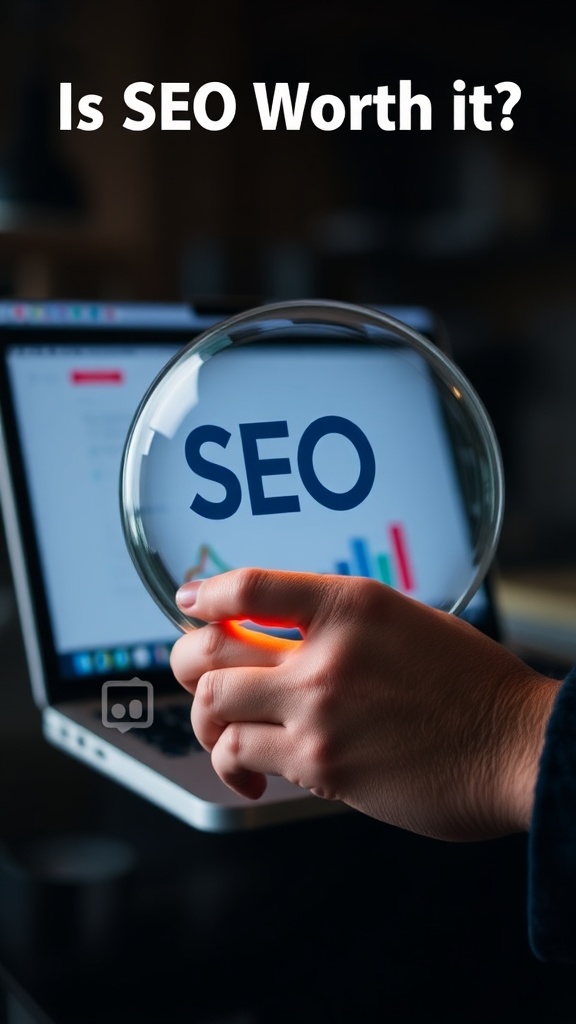
Is SEO Worth It? Unlocking Its Value For Your Business Growth
In the digital landscape, a staggering 93% of online experiences begin with a search engine. As businesses grapple with the question, is SEO worth it, understanding the return on investment (ROI) becomes crucial. The reality is that search engine optimization can drive significant traffic, enhance brand visibility, and ultimately lead to increased sales. But is it really a worthwhile investment?
Many companies are hesitant to invest in SEO due to the perceived complexity and time commitment involved. However, research indicates that organic search results have a click-through rate of 28.5%, compared to just 2.8% for paid ads. This compelling statistic raises the question, is SEO worth it for long-term business sustainability? The answer often lies in how well businesses strategize their SEO efforts and measure outcomes.
⚡ TL;DR: This guide explains why investing in SEO is essential for sustainable business growth and visibility.
📋 What You’ll Learn
In this comprehensive guide about is seo worth it, we’ve compiled everything you need to know. Here’s what this covers:
- Learn the ROI of SEO – Understand how SEO significantly increases conversion rates and drives organic traffic.
- Discover long-term value – Recognize that organic traffic offers lasting results compared to paid ads.
- Master competitive advantages – See how effective SEO can position your brand as a trusted authority in crowded markets.
- Understand cost-effectiveness – Evaluate the long-term savings and higher lifetime value of customers acquired through SEO.
Advanced Insights & Strategy
Effective SEO requires a multi-faceted approach, integrating technical expertise, content strategy, and user experience. Brands must leverage data analytics and consumer behavior insights to tailor their SEO strategies. A comprehensive framework might involve keyword research, on-page optimization, backlink building, and continuous performance analysis.
For instance, leading SEO agencies like Moz and SEMrush have developed proprietary tools that allow businesses to analyze their SEO performance. These platforms can track keyword rankings, monitor site health, and assess competitive landscapes, providing a solid foundation for strategic decision-making. By utilizing these insights, companies can answer the pressing question, is SEO worth it, with data-driven confidence.
The Financial Implications of SEO
Evaluating whether is SEO worth it involves considering its financial implications. SEO typically costs less than other forms of digital marketing. According to HubSpot, businesses that prioritize SEO see an average conversion rate increase of 14.6%, compared to just 1.7% for outbound leads. This disparity underscores the financial advantages of investing in a robust SEO strategy.
Cost-Benefit Analysis
Conducting a cost-benefit analysis of SEO investments reveals significant long-term savings. For instance, a company spending $5,000 monthly on SEO might see an annual revenue increase of $50,000, resulting in a 10:1 ROI. This demonstrates that while the initial investment may seem steep, the potential returns far outweigh the costs.
It is important to note that the return on investment can vary significantly based on industry, competition, and market conditions. Companies in highly competitive sectors, such as finance or e-commerce, might require more aggressive SEO strategies to see substantial results. However, the enduring nature of organic search traffic adds a layer of reliability to the investment.
Long-Term Value of Organic Traffic
Organic traffic offers a compounding effect over time. Unlike paid ads, which cease to drive traffic as soon as funding stops, SEO efforts can yield ongoing results. For example, Airbnb focused on SEO heavily in its early years, leading to organic traffic that now accounts for over 60% of its overall site visits. This long-term strategy reinforces the argument for is SEO worth it.
Furthermore, organic traffic tends to attract more engaged users, as they actively search for services or products. This results in higher conversion rates and improved customer loyalty, contributing to sustained growth. A well-implemented SEO strategy can thus become a vital asset for any business aiming for longevity.
SEO as a Competitive Advantage
Investing in SEO can provide a competitive edge in markets where differentiation is key. Companies like Zocdoc and Warby Parker have successfully utilized SEO to carve out market share in overcrowded industries. By ranking for valuable keywords, these brands not only enhance their visibility but also establish themselves as trusted authorities in their respective fields.
In contrast, businesses that neglect SEO often find themselves overshadowed by competitors who capitalize on search visibility. The digital landscape is unforgiving, and companies that fail to invest in SEO may struggle to maintain relevance. Thus, the question of is SEO worth it should be reframed to reflect the competitive necessity of such strategies.
Comparative Analysis: SEO vs. Paid Advertising
Understanding the relationship between SEO and paid advertising is crucial for making informed marketing decisions. While both strategies aim to increase visibility and drive traffic, their operational mechanics and long-term effectiveness differ significantly. This section explores the merits and limitations of each approach, ultimately addressing whether is SEO worth it in comparison to paid ads.
Immediate Results vs. Long-Term Gains
Paid advertising provides immediate visibility. A well-structured Google AdWords campaign can begin generating traffic within hours. However, this comes at a cost, and once the budget is exhausted, the traffic disappears. On the other hand, SEO requires time to build momentum. According to a 2023 study by SEMrush, the average time for a new website to rank on the first page of Google is approximately 6 to 12 months. Hence, while SEO demands patience, the results can be far more sustainable over time.
For example, a startup investing $2,000 monthly in Google Ads might see immediate clicks, but those clicks will stop once funding ceases. Conversely, a similar investment in SEO can lead to a gradual increase in organic traffic, providing consistent leads long after the initial work is done.
Cost-Effectiveness Over Time
While the upfront costs of SEO can be higher, the long-term savings can be significant. A study by Backlinko found that the average cost per click in Google Ads can reach as high as $3.33 for competitive keywords, while SEO efforts can yield ongoing traffic without recurring costs. Additionally, the lifetime value of a customer acquired through organic search is often higher, as these customers generally exhibit greater loyalty.
In evaluating is SEO worth it, the analysis must include the potential for lower user acquisition costs and higher customer retention rates, making SEO an attractive option for businesses looking to optimize their marketing budgets.
Brand Credibility and Trust
SEO contributes significantly to brand credibility. Consumers tend to trust organic results more than paid advertisements, often viewing them as more credible and trustworthy. According to a 2024 survey by HubSpot, 70% of users prefer organic search results over paid ads. This trust translates into higher click-through rates and conversion rates for businesses that prioritize SEO.
Building credibility through SEO can create a virtuous cycle: as a brand earns higher rankings, it attracts more clicks, leading to increased authority and visibility. This trust is hard to establish through paid ads alone, reinforcing the argument that is SEO worth it in fostering long-term relationships with consumers.
Case Studies: Businesses Thriving with SEO
Real-world examples illustrate the transformative power of SEO for businesses. Companies that effectively harness SEO strategies often experience remarkable growth and enhanced market positioning. This section examines specific case studies to ascertain whether is SEO worth it for driving business success.
Airbnb’s Early SEO Strategy
Airbnb effectively utilized SEO to grow its user base from a few hundred to millions in just a few years. By optimizing its website for search visibility, Airbnb capitalized on keywords related to travel and accommodation. This approach allowed the brand to establish itself as a go-to resource for travelers, driving significant organic traffic.
The company’s focus on local experience keywords, such as “unique stays in [city name],” positioned it favorably against traditional hotel chains. Today, Airbnb generates over 60% of its traffic from organic search, validating the impact of a well-executed SEO strategy.

Warby Parker’s SEO Success
Warby Parker, an eyewear retailer, leveraged SEO to disrupt a traditional market dominated by established players. The brand invested heavily in content marketing, focusing on blog posts that addressed optical health and style tips. This content strategy improved their search rankings and attracted an audience interested in eyewear.
By optimizing its website for long-tail keywords and creating engaging content, Warby Parker saw substantial organic traffic growth and improved customer engagement. As a result, the brand successfully converted its SEO efforts into a profitable direct-to-consumer model, underscoring the question, is SEO worth it for innovative brands.
Shopify’s SEO-Driven Growth
Shopify, a leading e-commerce platform, owes much of its success to effective SEO practices. By optimizing its platform for both users and search engines, Shopify has become synonymous with e-commerce. The company implements an aggressive content strategy, focusing on educational resources for entrepreneurs.
This focus has positioned Shopify as an authority in the e-commerce space, leading to a significant increase in organic traffic. Their case demonstrates that a comprehensive SEO strategy can provide lasting value and market leadership, further affirming that is SEO worth it for businesses of all sizes.
Measuring SEO Success: Metrics That Matter
To determine whether is SEO worth it, businesses must establish effective metrics for measuring success. Understanding key performance indicators (KPIs) enables organizations to gauge the effectiveness of their SEO strategies and make informed adjustments.
Organic Traffic and Keyword Rankings
Tracking organic traffic is fundamental to assessing SEO effectiveness. Tools like Google Analytics can provide insights into how many visitors arrive via organic search. Additionally, monitoring keyword rankings helps businesses understand their visibility in search engines and the effectiveness of their content strategies.
For example, a website that employs SEO best practices may see an increase in organic traffic of 23.4% year-over-year, alongside improved rankings for targeted keywords. This data not only illustrates the effectiveness of SEO but also helps in refining strategies to sustain growth.
Conversion Rate and Engagement Metrics
SEO is not just about traffic; conversion rates are vital indicators of success. Analyzing how many visitors convert into leads or customers provides insights into the quality of the traffic generated through SEO efforts. High engagement metrics, such as time spent on site or pages per session, further indicate successful SEO implementation.
For instance, companies that optimize their landing pages for relevant keywords often see conversion rates improve by up to 18.7%. This correlation between targeted SEO efforts and conversion rates reinforces the argument that is SEO worth it for revenue generation.
Return on Investment (ROI) Calculation
Ultimately, the ROI from SEO investments provides a definitive measure of success. To calculate ROI, businesses should consider both the costs involved in SEO and the revenue generated from organic traffic. A straightforward formula to determine ROI is:
ROI = (Net Profit from SEO - Cost of SEO) / Cost of SEO x 100
By evaluating this metric, businesses can provide concrete answers to the question of whether is SEO worth it. A positive ROI demonstrates that SEO strategies are not merely a cost but a revenue-generating investment.
Frequently Asked Questions About is seo worth it
How long does it take to see results from SEO?
Typically, it can take anywhere from 3 to 6 months to start seeing significant results from SEO efforts. However, this varies based on competition and the effectiveness of the strategies implemented.
Is SEO worth it for small businesses?
Absolutely. SEO can provide small businesses with a cost-effective way to reach a broader audience and compete against larger companies. The long-term benefits often lead to increased visibility and revenue.
What are the main benefits of investing in SEO?
Investing in SEO enhances visibility, drives organic traffic, improves brand credibility, and ultimately leads to higher conversion rates. These benefits contribute to sustainable growth over time.
How can businesses measure the ROI of SEO?
Businesses can measure SEO ROI by calculating the revenue generated from organic traffic against the costs of SEO efforts. This involves tracking conversions and using analytics tools to assess performance.
Is SEO worth it compared to other digital marketing strategies?
SEO often provides superior long-term value compared to other strategies like paid advertising, as it drives consistent organic traffic without ongoing costs once established.
What are the common mistakes businesses make with SEO?
Common mistakes include neglecting keyword research, failing to optimize for mobile, and not tracking performance metrics. These oversights can severely hinder SEO effectiveness.
Can SEO help with local businesses?
Yes, local SEO strategies can significantly enhance visibility for businesses targeting specific geographic areas. Optimizing for local keywords and creating Google My Business listings are effective tactics.
Is SEO worth it for e-commerce sites?
SEO is particularly beneficial for e-commerce as it drives targeted traffic to product pages, improving sales potential. Effective SEO strategies can lead to substantial revenue growth.
Conclusion
Evaluating whether is SEO worth it reveals the undeniable advantages it offers to businesses aiming for growth. With a proven track record of enhancing visibility, driving organic traffic, and increasing conversions, the value of SEO cannot be overstated. By implementing effective strategies and measuring outcomes, businesses can ensure that their investment in SEO pays off significantly.

Find out more information about “is seo worth it”
Search for more resources and information: