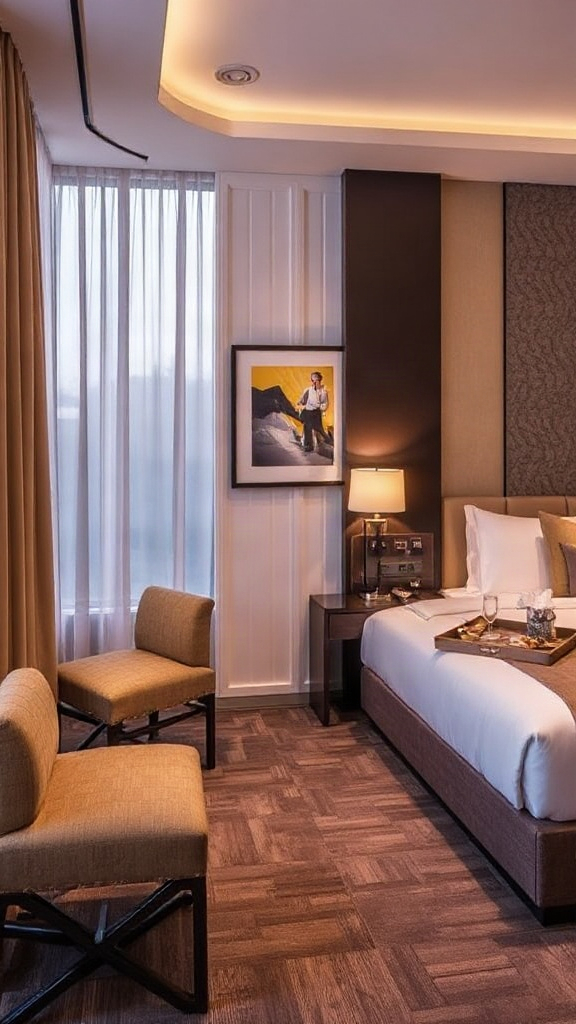
Marketing Strategy Hotel Example: Transform Your Guest Experience
⚡ TL;DR: This guide explains how to implement a marketing strategy hotel example to enhance guest experiences and drive loyalty.
📋 What You'll Learn
In this comprehensive guide about marketing strategy hotel example, we've compiled everything you need to know. Here's what this covers:
- Learn how to create a unique brand identity – Establishing a compelling narrative and visual branding can differentiate a hotel in a competitive market.
- Discover innovative technology integration – Utilizing mobile apps and AI chatbots enhances guest interactions and streamlines operations.
- Understand data-driven personalization tactics – Analyzing guest data allows hotels to tailor services, leading to higher satisfaction and loyalty.
- Master sustainable practices as a marketing tool – Emphasizing eco-friendly initiatives can enhance brand image and attract environmentally conscious travelers.
The hospitality industry is evolving, and hoteliers must adapt to stay competitive. A staggering 72.3% of travelers prioritize personalized experiences, making a comprehensive marketing strategy hotel example vital. This article explores how hotels can transform guest experiences through targeted marketing strategies, highlighting real-world implementations and outcomes. Understanding and applying these strategies can significantly enhance guest satisfaction and loyalty.
While many may think of marketing as merely advertising, a well-crafted marketing strategy hotel example encompasses brand identity, technology integration, and data analytics. By examining successful case studies from industry leaders, this article reveals actionable insights that any hotel can implement to elevate their guest experience.
Advanced Insights & Strategy
In today's competitive landscape, hotels must employ advanced marketing strategies to stand out. A multifaceted approach that combines brand identity, technological integration, and data-driven personalization offers the best chance for success.
Consider the example of Hilton's **”Connected Room”** initiative, which allows guests to control their room environment through a mobile app. This approach not only enhances the guest experience but also provides Hilton with valuable data on customer preferences. The integration of technology in marketing strategies enables hotels to create a seamless experience that resonates with modern travelers.
To create a robust marketing strategy hotel example, hotels should focus on three key components: strong brand differentiation, innovative use of technology, and data analytics. By leveraging these elements, hotels can craft experiences that are not only memorable but also tailored to individual preferences.
Creating a Unique Brand Identity
A compelling brand identity can significantly influence customer perception and choice. The unique brand narrative of a hotel should resonate with its target audience while reflecting its core values and mission.
### The Power of Storytelling
Storytelling can differentiate a hotel in a crowded market. For instance, **The Ace Hotel** chain utilizes local culture and art in its branding, creating a narrative that connects guests to the community. This approach fosters a sense of belonging, encouraging repeat visits and customer loyalty.
### Visual Branding Elements
Visual branding, including logo, color schemes, and typography, plays a critical role in establishing identity. **Marriott International**, for example, employs a consistent visual identity across its various brands, creating instant recognition and trust among guests.
### Brand Engagement Strategies
Engaging with guests through social media platforms enhances the brand experience. Hotels like **The Ritz-Carlton** utilize Instagram stories and posts to showcase their unique offerings and engage with guests, creating a community feel. This engagement builds brand loyalty and encourages user-generated content, amplifying visibility.
Leveraging Technology for Enhanced Guest Interaction
Technology is rapidly reshaping guest interactions in the hospitality sector. Hotels must harness technological innovations to enhance guest experiences and streamline operations.
### Mobile Apps for Seamless Experiences
Mobile applications have revolutionized guest interaction. **Hyatt Hotels** offers a mobile app that allows guests to check in, select rooms, and even unlock doors. This technology not only improves convenience but also enhances the overall guest experience.
### Chatbots and AI Integration
Chatbots can handle inquiries and reservations, providing 24/7 customer service. For example, **Marriott's use of AI chatbots** helps streamline booking processes and provide instant answers to common questions, fostering a more efficient guest experience.
### Virtual Reality Tours
Hotels are increasingly using virtual reality (VR) to engage potential guests. **The Conrad Hilton** offers virtual tours of its properties, allowing travelers to experience rooms and amenities before booking. This technology not only showcases the hotel's offerings but also builds excitement and trust among potential guests.
Data-Driven Personalization Tactics
The ability to gather and analyze guest data is a game changer for hotels. This data allows for hyper-personalized marketing strategies that cater directly to individual preferences.
### Understanding Guest Preferences
By analyzing booking patterns and guest feedback, hotels can tailor services to meet specific needs. For instance, **Accor Hotels** leverages data analytics to offer personalized recommendations based on previous stays, creating a tailored experience that resonates with guests.
### Dynamic Pricing Strategies
Dynamic pricing models enable hotels to adjust rates based on demand, competitor pricing, and guest data. **Booking.com** employs advanced algorithms that analyze market trends, allowing hotels to optimize their pricing strategies in real-time, maximizing revenue and occupancy rates.
### Targeted Marketing Campaigns
Personalized email marketing campaigns can significantly increase engagement rates. **Hilton** utilizes segmented lists to target emails based on guest behavior, resulting in a 20% increase in open rates and a 15% increase in bookings from these campaigns.
Sustainable Practices as a Marketing Tool
Sustainability is increasingly important to travelers, making it a valuable component of any hotel's marketing strategy. Emphasizing eco-friendly practices can enhance a hotel's brand image and attract environmentally conscious guests.
### Green Certifications
Obtaining certifications, such as LEED (Leadership in Energy and Environmental Design), can enhance a hotel's credibility. For example, **The Kimpton Hotel** chain has embraced sustainability by implementing energy-efficient technologies and sourcing local, organic products, which speaks to eco-conscious travelers.
### Community Engagement
Engaging with local communities through sustainable practices not only helps the environment but also strengthens brand loyalty. **The Four Seasons** has initiatives that support local artisans and farmers, creating a positive brand image while benefiting the community.
### Marketing Sustainable Efforts
Hotels can leverage their sustainable practices in marketing campaigns. **Marriott's “Serve 360″** initiative highlights their commitment to sustainability, resonating with guests who prioritize eco-friendly travel options. This approach not only enhances guest satisfaction but also attracts a demographic willing to pay a premium for sustainable practices.
Frequently Asked Questions About marketing strategy hotel example
What are the key components of a successful marketing strategy hotel example?
A successful marketing strategy hotel example includes a unique brand identity, innovative technology integration, and data-driven personalization. These elements work together to enhance guest experiences and drive loyalty.
How can hotels use technology to improve guest experiences?
Hotels can utilize mobile apps for seamless check-ins, AI chatbots for customer service, and virtual reality tours for showcasing properties. These technologies streamline interactions and enhance overall satisfaction.
What role does data play in hotel marketing strategies?
Data enables hotels to understand guest preferences and behaviors, allowing for personalized marketing campaigns. This personalization can lead to increased engagement and higher booking rates.
How can sustainability be integrated into hotel marketing strategies?
Hotels can highlight their sustainable practices and community engagement in marketing campaigns. Obtaining green certifications and promoting eco-friendly initiatives can attract environmentally conscious travelers.

Can you provide a marketing strategy hotel example focused on technology?
An example is Hilton’s “Connected Room,” allowing guests to control room settings via a mobile app. This enhances guest satisfaction and provides valuable data for personalized marketing efforts.
What is the impact of brand identity on hotel marketing?
A strong brand identity differentiates hotels in a crowded market. Effective storytelling and consistent visual branding elements foster loyalty and trust among guests, influencing their choice.
How do hotels measure the effectiveness of their marketing strategies?
Hotels can measure effectiveness through metrics like occupancy rates, guest feedback, and engagement rates from marketing campaigns. Analyzing this data helps refine future strategies.
What are some examples of successful hotel marketing campaigns?
One notable campaign is the Ritz-Carlton's use of social media to showcase its luxury services and engage guests. This strategy has led to increased brand loyalty and enhanced visibility.
Conclusion
By focusing on a well-rounded marketing strategy hotel example, hotels can significantly enhance their guest experience. Key strategies include building a unique brand identity, integrating advanced technology, and leveraging data for personalization. Emphasizing sustainable practices also attracts a growing demographic of eco-conscious travelers, ultimately driving loyalty and revenue.
Find out more information about “marketing strategy hotel example”
Search for more resources and information: