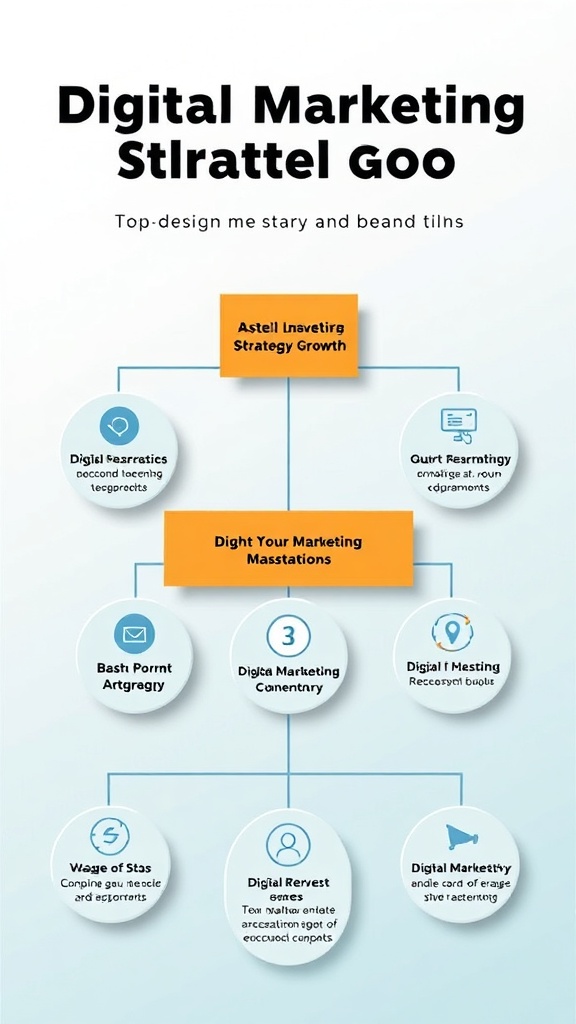
Digital Marketing Strategy Structure For Lasting Business Growth
⚡ TL;DR: This guide explains the essential components of a digital marketing strategy structure for sustainable business growth.
📋 What You'll Learn
In this comprehensive guide about digital marketing strategy structure, we've compiled everything you need to know. Here's what this covers:
- Learn the SOSTAC framework – Utilize this structured approach to define your marketing strategies effectively.
- Discover the importance of audience targeting – Refine your messaging by understanding demographic insights and behavioral patterns.
- Understand the significance of content strategy – Create high-quality content to enhance engagement and drive SEO performance.
- Master the metrics for success – Identify key performance indicators to evaluate the effectiveness of your digital marketing initiatives.
Digital marketing continues to evolve, challenging businesses to adapt rapidly to new trends and technologies. A well-defined digital marketing strategy structure is critical for organizations seeking sustainable growth. For instance, companies that effectively implement a digital marketing strategy structure see an average revenue increase of 30% year-over-year. This article will explore how a structured approach can lead to lasting business growth through enhanced engagement, conversion rates, and customer loyalty.
The digital marketing strategy structure serves as a blueprint that guides organizations through the complexities of the digital landscape. Key elements such as audience targeting, content strategy, and analytics play a vital role in shaping these structures. Businesses that neglect these components often find themselves lost in a sea of competition, unable to connect with their target audience. Here, the focus will be on practical frameworks and methodologies that can be applied to develop a robust digital marketing strategy structure.
Advanced Insights & Strategy
A forward-thinking digital marketing strategy structure incorporates advanced methodologies that are increasingly data-driven. Businesses can leverage tools like HubSpot’s marketing automation software or Google Analytics to gather insights that inform their strategies. One notable framework is the SOSTAC model, which stands for Situation, Objectives, Strategy, Tactics, Action, and Control. This structured approach allows marketers to define their current position, set clear goals, develop actionable strategies, and monitor performance effectively.
For instance, a prominent case study involving Adobe illustrates the power of a data-driven approach. Adobe utilized the SOSTAC framework to revamp its digital marketing strategy. By assessing its current market position and setting measurable objectives, Adobe achieved a 45% increase in lead generation within a year. The integration of a robust digital marketing strategy structure facilitated a more cohesive effort across various marketing channels, resulting in significant growth.
Incorporating customer journey mapping into the strategy is another critical aspect. By visualizing the customer’s path from awareness to purchase, businesses can identify touchpoints that require optimization. This process is invaluable; research from McKinsey indicates that companies employing customer journey mapping experience a 15% increase in customer satisfaction and a 20% boost in overall sales.
Understanding the Digital Marketing Landscape
The digital marketing landscape is vast and continuously changing. Understanding its nuances is crucial for developing an effective digital marketing strategy structure. The rise of social media, search engine optimization (SEO), and content marketing has transformed how businesses engage with their audience.
Digital Channels and Their Impact
Each digital channel offers unique advantages. For instance, SEO remains a cornerstone of digital marketing, with 68% of online experiences beginning with a search engine, according to a study by Pew Research. Effective SEO strategies can lead to organic traffic growth, enhancing brand visibility and authority. Social media platforms provide real-time engagement opportunities, enabling brands to connect with consumers where they spend much of their time.
Companies like Nike exemplify effective use of digital channels. Nike’s integration of social media marketing with targeted SEO strategies has increased its online sales by over 20% in recent years. The brand's ability to leverage a multi-channel approach strengthens its digital marketing strategy structure and enhances customer engagement.
Target Audience Analysis
Understanding the target audience is paramount. Businesses can utilize tools such as Google Analytics and Facebook Audience Insights to gather demographic data and behavioral patterns. This information helps refine the digital marketing strategy structure by ensuring that messaging resonates with the intended audience.
For example, a B2B software company, Salesforce, employs comprehensive audience analysis to tailor its content marketing efforts. By segmenting its audience based on industry, company size, and user behavior, Salesforce achieved a 22% increase in lead conversion rates through personalized marketing messages.
Competitive Landscape
A thorough analysis of the competitive landscape is vital for shaping a digital marketing strategy structure. By understanding competitors' strengths and weaknesses, businesses can identify market gaps and opportunities. Tools like SEMrush or Ahrefs provide insights into competitors’ SEO performance and advertising strategies, enabling companies to adjust their own tactics accordingly.
A case in point is HubSpot, which regularly conducts competitive analysis to inform its marketing campaigns. By identifying competitors’ content gaps, HubSpot can create targeted content that fills these voids, thereby enhancing its competitive positioning in the market.
Key Components of Digital Marketing Strategy Structure
A comprehensive digital marketing strategy structure consists of several key components that work synergistically. These components include content creation, channel selection, audience targeting, and performance measurement.
Content Creation and Strategy
Content is the backbone of any digital marketing strategy. High-quality, relevant content not only engages the audience but also drives SEO performance. According to HubSpot, companies that prioritize blogging are 13 times more likely to see a positive ROI.
For instance, Buffer, a social media management platform, utilizes a data-driven content strategy that emphasizes user-generated content and storytelling. This approach has led to a significant increase in user engagement, with Buffer reporting a 50% rise in shares and interactions on its social media posts.
Channel Selection
Selecting the right digital channels is imperative. Each channel serves a different purpose and reaches different audiences. For example, LinkedIn is ideal for B2B marketing, while Instagram is more effective for B2C brands.
A case study involving Hootsuite illustrates the importance of channel selection. Hootsuite adopted a multi-channel approach, utilizing both paid advertising and organic content across various platforms. This strategy resulted in a 35% increase in brand awareness and a 50% increase in website traffic over six months.
Audience Targeting and Personalization
Personalization is key to effective audience targeting. By utilizing data analytics, businesses can segment their audience based on various criteria, such as demographics and purchase behavior. According to a 2023 report by Salesforce, 70% of consumers expect personalized experiences from brands.
For instance, Amazon’s recommendation engine employs sophisticated algorithms to analyze user behavior, resulting in a 29% increase in sales attributed to personalized product suggestions. Implementing similar strategies can enhance the digital marketing strategy structure, boosting engagement and conversion rates.
Measuring Success: Metrics and KPIs
A digital marketing strategy structure is incomplete without robust measurement tactics. Identifying key performance indicators (KPIs) is essential for evaluating the success of marketing initiatives.
Defining KPIs for Digital Success
KPIs should align with business objectives, providing clear metrics to assess performance. Common digital marketing KPIs include website traffic, conversion rates, click-through rates, and customer acquisition costs. According to a report from HubSpot, organizations that monitor KPIs are 12 times more likely to achieve their marketing goals.
For example, a case study involving Coca-Cola demonstrates effective KPI tracking. The company implemented a comprehensive digital marketing strategy structure that monitored engagement metrics across social media platforms, resulting in a 10% increase in customer engagement.
Utilizing Analytics Tools
Analytics tools provide invaluable insights into campaign performance. Google Analytics, for instance, allows marketers to track user behavior, measure conversion rates, and assess the effectiveness of different marketing channels.
A notable example is Airbnb, which employs Google Analytics to optimize its marketing strategy. By analyzing user interactions on its website, Airbnb identified key drop-off points in the booking process, leading to a 15% increase in completed bookings after implementing targeted improvements.
Adjusting Strategies Based on Data
Data-driven decision-making is crucial for refining a digital marketing strategy structure. By continuously analyzing performance metrics, businesses can make informed adjustments to their strategies.
For instance, a case study involving Sephora illustrates the importance of data-driven adjustments. After analyzing customer feedback on its mobile app, Sephora made changes that led to a 20% increase in app downloads and a 15% increase in in-store sales linked to app users.
Adapting Your Strategy: Trends and Innovations
The digital marketing landscape is characterized by rapid change. Staying abreast of new trends and innovations is essential for maintaining a competitive edge.
Emerging Technologies
Technologies such as artificial intelligence (AI) and machine learning are shaping the future of digital marketing. According to a report by Gartner, 37% of organizations are currently using AI in their marketing efforts, a figure expected to rise significantly.
For instance, Netflix utilizes AI algorithms to personalize content recommendations for its users. This strategy has proven successful, with Netflix reporting a retention rate of 93% among users who engage with personalized content.
Social Media Trends
Social media continues to evolve, with new platforms and trends emerging regularly. Video content, for instance, is gaining traction, as 82% of all consumer internet traffic will be video by 2025, according to Cisco.
Brands like TikTok have capitalized on this trend, utilizing short-form video content to engage users effectively. By incorporating video into their digital marketing strategy structures, businesses can enhance engagement and reach a broader audience.
Consumer Behavior Shifts
Understanding shifts in consumer behavior is vital for adapting marketing strategies. As consumers become more conscious of sustainability, brands that prioritize ethical practices are likely to resonate more with their audience.
Patagonia, for example, has built its brand around environmental sustainability, resulting in a loyal customer base that values ethical consumption. This alignment with consumer values has propelled Patagonia's sales growth, showcasing the importance of adapting to changing consumer sentiments within the digital marketing strategy structure.
Frequently Asked Questions About digital marketing strategy structure
What are the essential components of a digital marketing strategy structure?
The essential components include audience analysis, content creation, channel selection, and performance measurement. Each component plays a vital role in ensuring that marketing efforts are aligned with business objectives and resonate with the target audience.
How can businesses measure the effectiveness of their digital marketing strategy structure?
Businesses can measure effectiveness by tracking KPIs such as website traffic, conversion rates, and customer engagement metrics. Utilizing analytics tools like Google Analytics helps provide insights into user behavior and campaign performance.
What role does content play in the digital marketing strategy structure?
Content is fundamental as it engages the audience and drives SEO performance. Quality content can significantly impact brand visibility and authority, leading to improved customer engagement and retention.
How does audience targeting enhance the digital marketing strategy structure?
Audience targeting allows businesses to segment their audience based on demographics and behavior, resulting in personalized marketing efforts. This personalization can lead to higher engagement and conversion rates.
What innovations are influencing digital marketing strategy structures?
Emerging technologies such as AI and machine learning are significantly impacting digital marketing strategies. These innovations enable businesses to personalize customer experiences and optimize marketing efforts more effectively.

How can companies adapt their digital marketing strategy structure to changing trends?
Companies can adapt by continuously monitoring market trends, consumer behavior, and technological advancements. Regular analysis of performance data enables businesses to make informed adjustments to their strategies.
What are some common mistakes in digital marketing strategy structure?
Common mistakes include neglecting audience analysis, failing to track performance metrics, and not adapting to changing consumer preferences. These oversights can lead to ineffective marketing efforts and missed opportunities.
How important is data in shaping a digital marketing strategy structure?
Data is crucial as it informs decision-making and strategy adjustments. Businesses that leverage data analytics are better positioned to optimize their marketing efforts and achieve their objectives.
Conclusion
A well-structured digital marketing strategy structure is vital for achieving lasting business growth. By understanding the digital landscape, implementing key components, measuring success, and adapting to trends, organizations can enhance their marketing effectiveness. Embracing a comprehensive approach ensures that businesses remain competitive and responsive to their audience's needs, ultimately driving sustainable success.

Find out more information about “digital marketing strategy structure”
Search for more resources and information: