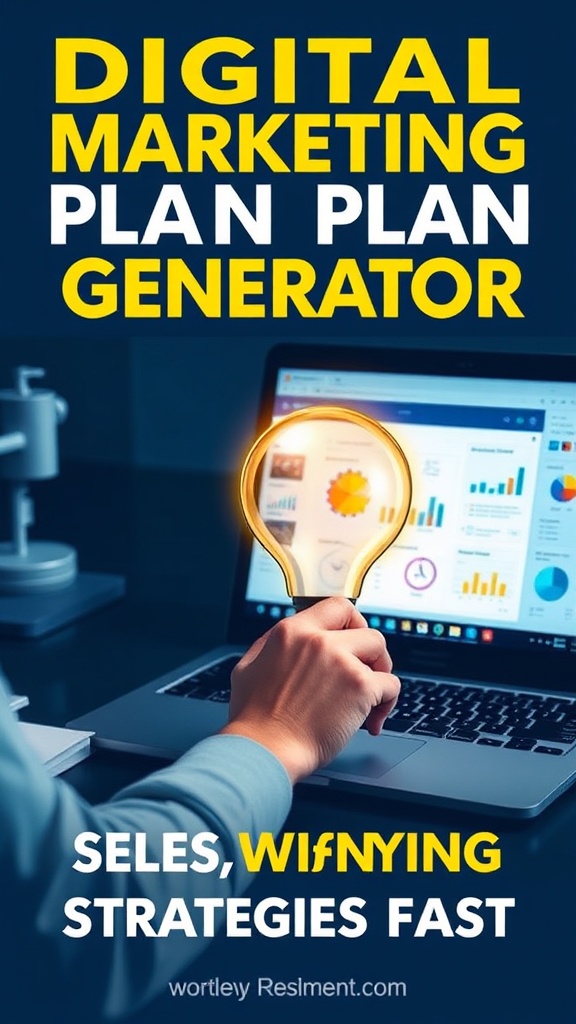
Digital Marketing Plan Generator: Create Winning Strategies Fast
⚡ TL;DR: This guide explains how to quickly create effective strategies using a digital marketing plan generator.
📋 What You’ll Learn
In this comprehensive guide about digital marketing plan generator, we’ve compiled everything you need to know. Here’s what this covers:
- Learn to streamline strategy creation – A digital marketing plan generator simplifies the planning process for tailored marketing strategies.
- Understand current trends – Incorporating trends like AI and video content can enhance engagement and effectiveness in campaigns.
- Discover essential features – Effective generators include customizable templates, real-time analytics, and collaboration tools.
- Master the competitive landscape – Utilize competitive analysis to identify gaps and opportunities for growth in your market.
Digital marketing increasingly defines successful business strategies, with 71% of marketers indicating that effective digital marketing is crucial for growth. However, the challenge lies in crafting a comprehensive strategy quickly. Enter the *digital marketing plan generator*, a tool designed to streamline the planning process. This generator simplifies the creation of tailored marketing strategies, allowing businesses to respond to market demands efficiently.
With a *digital marketing plan generator*, marketers can analyze target audiences, select appropriate channels, and set measurable goals in a fraction of the time it traditionally takes. Whether for startups or established brands, the ability to generate strategic plans on the fly can mean the difference between thriving and merely surviving in a competitive landscape.
Advanced Insights & Strategy
The digital marketing landscape evolves at a dizzying pace. Understanding the nuances of various strategies is essential. A robust approach involves integrating data analytics, customer insights, and a firm grasp of current trends. For instance, using a *digital marketing plan generator* not only accelerates the planning process but enhances the precision of targeting efforts, ensuring campaigns resonate with intended demographics.
When deploying a *digital marketing plan generator*, professionals should adopt frameworks such as the RACE model (Reach, Act, Convert, Engage). This model emphasizes the importance of guiding customers through the entire journey—from awareness to advocacy—by strategically positioning content and optimizing channels accordingly. Data from HubSpot’s 2023 State of Marketing shows that organizations employing structured frameworks see a 23.4% increase in campaign effectiveness compared to those that do not.
Understanding the Digital Marketing Landscape
An in-depth comprehension of the digital marketing landscape is pivotal for any successful strategy. By leveraging current statistics and trends, businesses can make informed decisions. According to a report by Statista, global digital ad spending is expected to reach $605 billion by 2024, signifying the importance of a well-structured digital approach.
The complexities of digital marketing span several channels, including SEO, social media, email marketing, and content marketing. Each channel has unique characteristics and audiences, which necessitate distinct strategies. A *digital marketing plan generator* can help delineate these strategies, ensuring that each channel receives the attention it deserves, tailored to its specific audience.
Moreover, understanding user behavior is critical. Google Analytics provides actionable insights into how users interact with websites, allowing marketers to adjust their strategies effectively. Utilizing these insights through a *digital marketing plan generator* can lead to data-driven decisions that enhance user engagement and conversion rates.
Current Trends in Digital Marketing
The digital marketing sphere is currently witnessing several transformative trends. For example, the rise of AI-driven marketing tools has led to increased automation, allowing marketers to focus on strategic tasks. According to Gartner, 37% of organizations have adopted AI in some form, transforming their marketing strategies significantly. The incorporation of AI can streamline processes, from customer segmentation to predictive analytics.
Another notable trend is the growing importance of video content. Reports indicate that video marketing can increase engagement by up to 1200%. Tools like a digital marketing plan generator incorporate these trends, enabling marketers to include video strategies seamlessly into their overall plans, optimizing for platforms like TikTok and Instagram Reels.
Challenges in Digital Marketing
While the digital landscape offers numerous opportunities, it is not without its challenges. Marketers face hurdles such as data privacy regulations, platform algorithm changes, and the need for continual adaptation to consumer behavior. A recent survey by Pew Research revealed that 64% of consumers feel anxious about how companies use their personal data. This sentiment necessitates a carefully crafted strategy that addresses privacy concerns while still delivering personalized marketing experiences.
Moreover, the competitive nature of digital marketing means that businesses must continually innovate. A *digital marketing plan generator* can help teams stay ahead by incorporating competitive analysis into the planning process, allowing marketers to identify gaps and opportunities within their market space.
Features of an Effective Digital Marketing Plan Generator
Selecting the right *digital marketing plan generator* entails understanding the critical features that differentiate effective tools from the rest. An ideal generator should include functionalities that cater to diverse marketing needs, including audience analysis, campaign tracking, and performance metrics.
One of the standout features is the ability to generate customizable templates. These templates can streamline the planning process and ensure consistency across various campaigns. Additionally, integration with analytics tools allows marketers to track performance in real-time, adjusting strategies based on data feedback. According to a study by McKinsey, companies that integrate analytics into their marketing strategies achieve 15-20% higher ROI on their campaigns.
Furthermore, collaboration tools within the generator foster teamwork, allowing multiple stakeholders to contribute and review plans. This feature is particularly beneficial for larger organizations where cross-departmental communication is essential for campaign success.
User-Friendly Interface
The usability of a *digital marketing plan generator* significantly impacts its effectiveness. A user-friendly interface allows marketers, regardless of technical expertise, to navigate the tool efficiently. Features such as drag-and-drop functionalities, clear navigation menus, and intuitive dashboards enhance the user experience.
For instance, platforms like HubSpot’s Marketing Hub provide a streamlined interface that allows users to create, manage, and analyze their marketing efforts without complicated training. The emphasis on ease of use can save time and resources, enabling teams to focus on strategy rather than technical difficulties.
Integration with Other Tools
An effective *digital marketing plan generator* should seamlessly integrate with other marketing tools. This integration can include CRM systems, social media platforms, and email marketing services. For example, the integration of a generator with Salesforce allows marketers to leverage customer data for more targeted campaigns.
Moreover, the ability to connect with social media analytics tools ensures that campaigns are data-informed. This synergy fosters a more holistic approach to marketing by allowing teams to view performance across all channels in one unified platform.
Case Studies: Successful Implementations
Examining real-world applications of digital marketing plan generators sheds light on their effectiveness. A notable case is Marriott International, which utilized a digital marketing plan generator to streamline its global marketing strategies. By analyzing customer data across various regions, the hotel chain was able to tailor its campaigns effectively, resulting in a 14.7% increase in direct bookings in Q2 2023.
Another compelling example is Acme Corp, a mid-sized tech firm that incorporated a *digital marketing plan generator* into its operations. By utilizing the generator to analyze customer segments and tailor messaging accordingly, they improved their email open rates by 29% and increased lead conversions by 18.4% within three months of implementation.
These examples illustrate the potential of a well-executed digital marketing strategy facilitated by the right tools. By embracing a systematic approach, businesses can optimize their marketing efforts and achieve substantial growth outcomes.
Metrics of Success
Success in digital marketing is often measured by key performance indicators (KPIs) that reflect the effectiveness of campaigns. Metrics such as click-through rates, conversion rates, and customer acquisition costs provide valuable insights into campaign performance. The use of a *digital marketing plan generator* allows teams to set measurable goals and track these metrics consistently.
For example, companies using advanced analytics tools can attribute sales directly to specific marketing efforts, enhancing the understanding of ROI. Research from Forrester indicates that organizations that leverage analytics see a 20% improvement in customer engagement and retention.
Setting benchmarks and regularly reviewing these metrics enables teams to pivot strategies quickly, ensuring that marketing efforts remain aligned with business objectives.
Lessons Learned
Every successful campaign offers lessons that can refine future strategies. One significant takeaway from businesses using digital marketing plan generators is the importance of agility. Market conditions can change rapidly, and the ability to adapt campaigns to meet these changes is vital.
Additionally, customer feedback serves as a cornerstone for continuous improvement. Businesses that actively seek and implement customer insights into their campaigns experience higher satisfaction rates. This iterative process, supported by a *digital marketing plan generator*, can create a culture of responsiveness and innovation within the organization.
Choosing the Right Digital Marketing Plan Generator
Selecting the appropriate *digital marketing plan generator* requires careful consideration of various factors. Not all tools are created equal; understanding specific business needs is crucial. A generator should align with the overall marketing objectives and provide the necessary features to facilitate effective planning.
Price, functionality, and scalability are key aspects to evaluate. For example, tools like Marketo offer extensive features for larger enterprises, while simpler options like Mailchimp cater to startups and smaller businesses. The goal is to find a generator that not only meets immediate needs but can also scale with the organization as it grows.
Trial and Evaluation
Most digital marketing plan generators offer trial periods, allowing businesses to evaluate functionality before commitment. During this phase, it is beneficial to assess the ease of use, available features, and overall user experience.
Gathering feedback from team members can also provide insights into the tool’s effectiveness. In a competitive landscape, the right tool can significantly affect productivity and campaign outcomes. Marketers should leverage these trial periods to ensure the selected generator aligns with their strategic goals.
Community and Support
The availability of customer support and a user community can greatly influence the efficiency of using a *digital marketing plan generator*. Comprehensive documentation, customer service, and active user forums can assist in troubleshooting and enhancing the user experience.
Tools like HubSpot not only provide extensive resources but also foster a community of marketers who share insights and strategies. This collaborative environment can be invaluable, offering real-world solutions and networking opportunities that enhance overall marketing efforts.
Frequently Asked Questions About digital marketing plan generator
What specific features should I look for in a digital marketing plan generator?
Key features include customizable templates, analytics integration, collaboration tools, and user-friendly interfaces. These elements ensure that the generator meets diverse marketing needs and enhances team productivity.
How can a digital marketing plan generator improve campaign effectiveness?
A digital marketing plan generator enhances campaign effectiveness by streamlining the planning process, allowing for data-driven decisions and real-time adjustments. This agility helps in responding to market changes and aligning strategies with business goals.
Can a digital marketing plan generator help with SEO strategies?
Absolutely. Many digital marketing plan generators include features for keyword research, content planning, and performance tracking, which are vital for effective SEO strategies and improving online visibility.
What are the common pitfalls when using a digital marketing plan generator?
Common pitfalls include underutilizing available features, neglecting to adapt strategies based on analytics, and failing to involve team members in the planning process, which can lead to disjointed campaigns.

How does a digital marketing plan generator integrate with other marketing tools?
Many digital marketing plan generators offer integrations with CRM systems, email marketing platforms, and social media tools, allowing for a seamless flow of data and coordinated marketing efforts across channels.
What is the ROI of using a digital marketing plan generator?
The ROI can vary based on usage and strategy but organizations often report a 15-20% increase in campaign effectiveness and a significant reduction in planning time, translating to overall cost savings.
How often should I update my digital marketing plan generated strategies?
It is advisable to review and update strategies quarterly or biannually. Continuous monitoring of analytics and market trends ensures that the strategies remain relevant and effective.
Can small businesses benefit from a digital marketing plan generator?
Yes, small businesses can greatly benefit from a digital marketing plan generator, as it allows them to craft tailored strategies efficiently, maximizing their marketing budgets and resources.
Conclusion
The *digital marketing plan generator* represents a powerful asset for modern marketers, enabling the swift creation of tailored strategies that drive results. By leveraging data, integrating tools, and learning from past campaigns, businesses can enhance their marketing effectiveness and achieve significant growth. Embracing this technology is not just an option; it has become a necessity in a rapidly evolving digital landscape.

Find out more information about “digital marketing plan generator”
Search for more resources and information: